

A recent catastrophe at Wellington’s main wastewater plant has ignited fierce national debate over New Zealand’s water infrastructure. Millions of litres of untreated sewage spilling into local waters have exposed deep-seated flaws in the capital’s systems and broader reform efforts.
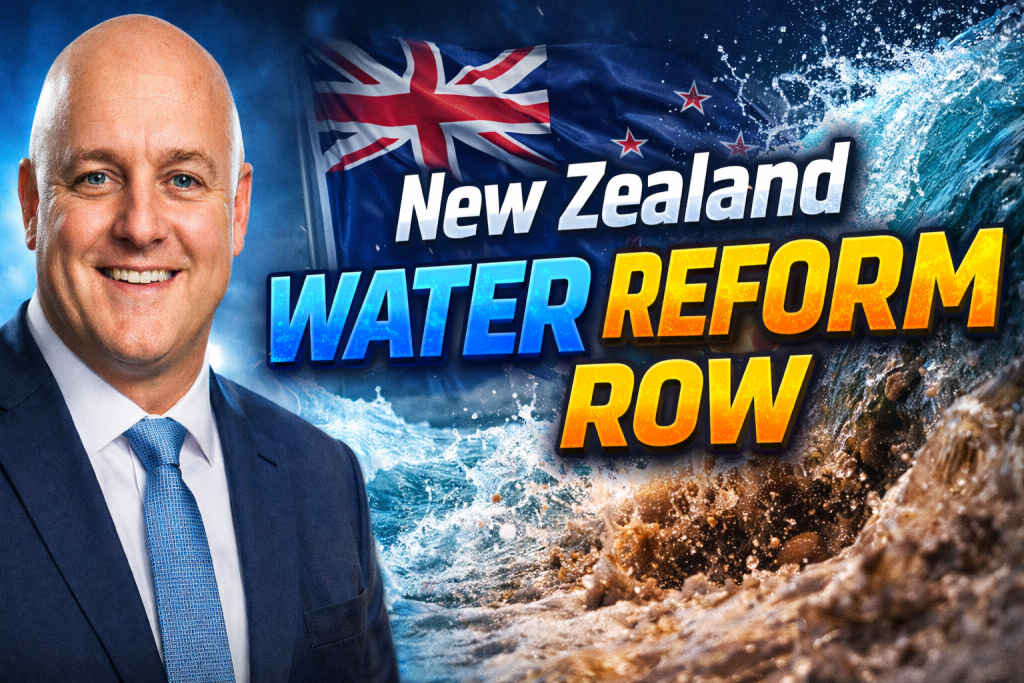
Crisis at Moa Point
Heavy rainfall overwhelmed the Moa Point Wastewater Treatment Plant, flooding lower levels and triggering a complete shutdown. Untreated sewage surged through a short outfall pipe directly into coastal waters near popular beaches, releasing vast volumes over several days. Emergency teams worked around the clock to pump out flooded areas and restore partial function to the longer outfall pipe, but full recovery remains distant.
Local authorities issued stark warnings: no swimming, no shellfish gathering, no beach walks for dogs. The incident disrupted summer activities, closing south coast spots and curtailing festivals. Public frustration boiled over as families faced restricted access to their favourite recreation areas during peak season.
Environmental monitors detected high bacterial levels spreading along the shoreline, threatening marine life and public health. Fish kills appeared in affected bays, while odour complaints plagued nearby suburbs. This breakdown not only halted daily wastewater processing for hundreds of thousands but also amplified calls for accountability from city leaders.
Historical Context of Wellington’s Infrastructure
Wellington’s wastewater challenges stem from decades of population growth outpacing investment. The Moa Point facility, designed decades ago, handles flows from the city and surrounding areas but struggles with aging pipes, pumps, and screens. Routine compliance reports reveal frequent failures: overflows during storms, odour violations, and bacterial exceedances in discharges.
Past incidents include pipe bursts releasing sludge into stormwater drains and pump station collapses during high rains. Ratepayers have funded upgrades piecemeal, yet core vulnerabilities persist. Critics point to deferred maintenance, with budgets prioritising new housing over system resilience.
| Compliance Issue | Frequency Over Past Years | Common Causes |
|---|---|---|
| Unconsented Discharges | Monthly occurrences | Equipment overload, blockages |
| Faecal Coliform Exceedances | Nearly every quarter | Inadequate treatment during peaks |
| Odour Complaints | Weekly reports | Anaerobic conditions in pipes |
| Overflow Events | Several annually | Heavy rainfall, wet wipes buildup |
This table highlights patterns from operational logs, underscoring systemic strain.
The Spark of Water Reform Efforts
New Zealand’s government launched ambitious Three Waters reform to consolidate water services across councils into regional entities. Proponents argued small councils like Wellington’s could not afford massive upgrades alone, estimating national investment needs in tens of billions. The plan promised economies of scale, better borrowing power, and standardised expertise.
Central features included four new entities serving multiple regions, with iwi co-governance to honour Treaty obligations. Funding would blend local rates, central grants, and debt, aiming to avert crises like Moa Point. Early modelling projected fewer breakdowns and improved drinking water quality nationwide.
However, implementation faltered amid backlash. Councils decried loss of control, while opposition parties labelled it overreach. Wellington, already grappling with leaky infrastructure, became a flashpoint as residents questioned why reforms hadn’t prevented the spill.
Political Tensions and Local Backlash
Wellington Mayor Andrew Little called the failure catastrophic, demanding urgent central support. He met with the Prime Minister to push for an independent inquiry, highlighting years of underinvestment. City councillors split along lines: some urged rate hikes for fixes, others blamed national delays in reform funding.
Opposition voices amplified grievances, portraying the incident as proof of reform flaws. They argued local control allows tailored solutions, citing successful pipe renewals in other cities. Public meetings drew hundreds, with speakers venting over rising rates without reliable services.
Iwi partners expressed dismay, noting cultural impacts on moana sacred to tangata whenua. Contaminated shellfish beds disrupted traditional kai gathering, reigniting debates over co-governance roles in asset management. Protests outside council chambers featured signs decrying “sewage socialism.”
Technical Breakdown Explained
The crisis unfolded when stormwater infiltrated aging sewers, exceeding plant capacity. Wastewater backed up into the 1.8-kilometre outfall pipe, flooding equipment rooms up to three metres deep. Key screens and pumps failed, forcing reliance on the short pipe meant for emergencies only.
Restoration efforts prioritised dewatering: crews used high-capacity pumps to extract sewage before it turned septic, releasing toxic gases. Partial long-pipe operation now screens out solids, diluting flows into Cook Strait. Full repairs involve replacing submerged electrical gear and control systems, a process prone to setbacks.
Experts estimate months for normalcy, with contingency tankers trucking waste to other sites. Climate change exacerbates risks, as intensifying storms overload combined sewer systems blending stormwater and sewage.
Environmental and Health Fallout
Raw sewage introduces pathogens, nutrients, and chemicals into marine ecosystems. Elevated E. coli levels prompted shellfish bans, affecting commercial harvests. Seabirds and fish suffered immediate die-offs, while long-term algae blooms loom from nutrient overload.
Public health officials tracked cases of gastrointestinal illness linked to beach contact, urging vigilance for skin infections. Vulnerable groups—children, elderly, immunocompromised—faced highest risks. Conservation departments monitored sediment contamination, planning seabed surveys.
Recovery hinges on natural flushing by tides and targeted cleanups. Beaches may reopen gradually as tests confirm safety, but trust rebuilds slowly among locals.
Economic Ripples Across the Region
Tourism took a hit: cancelled bookings at coastal cafes and holiday parks compounded festival losses. Local businesses reported drops in foot traffic, with some pivoting to indoor events. Cleanup costs mount into millions, straining council budgets already stretched by infrastructure debt.
Insurance claims for property near overflows added pressure, while fisheries faced revenue shortfalls. Broader reforms promise levies on rates, sparking affordability debates in a high-cost city. National economists warn repeated failures erode investor confidence in urban centres.
| Impact Area | Estimated Short-Term Cost | Long-Term Concern |
|---|---|---|
| Beach Closures | Festival revenue loss | Seasonal tourism decline |
| Cleanup Operations | Multi-million dewatering | Pipe replacement backlog |
| Health Monitoring | Testing and advisories | Chronic illness claims |
| Business Downtime | Retail and hospitality | Regional GDP drag |
These figures draw from council projections, illustrating cascading effects.
National Reform Debate Intensifies
The spill reignited Three Waters scrapped earlier, replaced by diluted local water organisations. Critics say diluted versions lack scale for crises, urging a rethink. Government defenders highlight released funds for councils, though Wellington claims shortfalls persist.
Parliamentary select committees now scrutinise compliance regimes, with calls for mandatory resilience standards. Private sector bids emerge for plant modernisations, blending public-private models. Iwi-led initiatives propose nature-based solutions like wetland filters.
Public opinion polls show majority support for central intervention, tempered by autonomy fears. Younger voters prioritise sustainability, while older ones focus on rates relief.
Voices from the Ground
Residents near Tarakena Bay describe foul smells wafting inland, disrupting sleep and routines. Fisherfolk lament lost livelihoods, sharing tales of empty pots. Community groups organise cleanups, fostering solidarity amid frustration.
Mayor Little emphasises transparency, vowing detailed reports. Wellington Water’s chief apologised profusely, pledging upgrades. Survivors of past leaks draw parallels, demanding proactive overhauls.
Pathways to Resilience
Short-term fixes include temporary pumps and overflow storage tanks. Long-term visions encompass separated sewers, smart sensors for early warnings, and renewable-powered plants. Reform evolution might centralise expertise while preserving local boards.
International benchmarks—from Singapore’s high-tech networks to Denmark’s green infrastructure—inspire Kiwi engineers. Climate adaptation funds could accelerate retrofits, targeting sea-level rise and storm surges.
Lessons for a Wetter Future
This row underscores urgency in water governance. Fragmented systems breed vulnerabilities; collaboration offers strength. Wellington’s plight mirrors national risks, from Auckland overflows to rural scheme failures.
Investing now averts costlier disasters later. Communities demand action blending innovation, equity, and ecology. As debates rage, the sea off Moa Point serves as stark reminder: clean water underpins thriving cities.
Reforms must evolve beyond politics, prioritising pipes over promises. Kiwis watch closely, rates bills in hand, beaches beckoning. Resolution demands unity, turning sewage sorrow into sustainable success.

Emma Brooks is a contributing writer at richlittleragdolls.co.nz, covering news, community updates, and trending stories across New Zealand and Australia. Her work focuses on delivering clear, accurate, and reader-friendly reporting that helps audiences stay informed about regional and national developments.









Leave a comment