
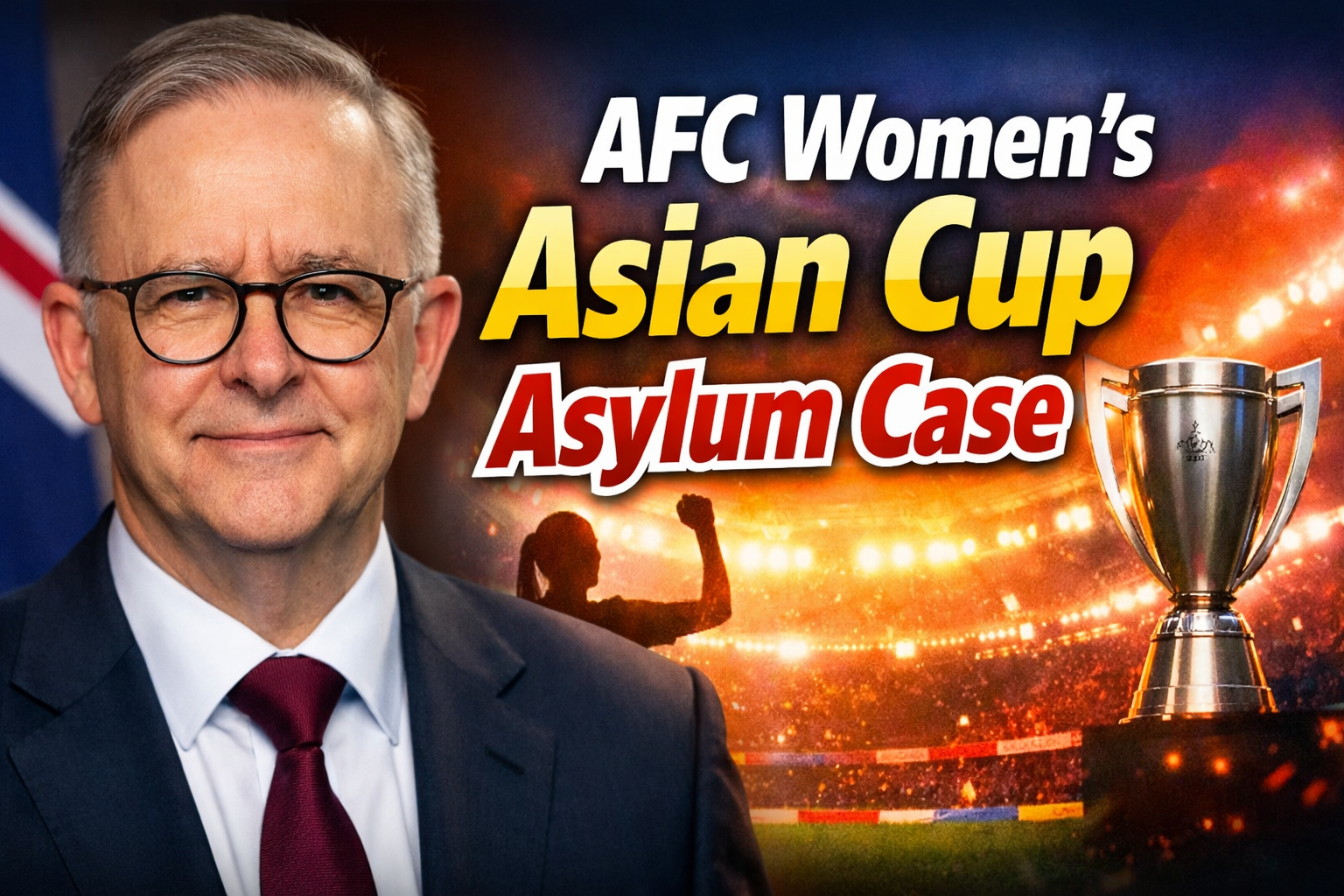
The AFC Women’s Asian Cup in Queensland has become a global flashpoint for human rights, as five Iranian players seek asylum in Australia amid fears of persecution back home. Their dramatic plea follows public gestures of defiance during matches, drawing international attention and swift action from Australian authorities.
Introduction to the Controversy
Hosted on the Gold Coast, the tournament showcased fierce competition but also raw human drama. Iran’s women’s national football team arrived amid escalating conflict in their homeland, only to face backlash for not singing the national anthem before their opening match. This act of silence, followed by an apparent SOS signal after elimination, propelled the players into the spotlight.
Australian officials, urged by advocates and even U.S. President Donald Trump, granted humanitarian visas to five team members. The remaining squad departed via alternative routes, leaving a divided team and a nation grappling with the fallout. This case echoes past sports defections, highlighting sport’s role in amplifying dissent.
Background on the Iranian Women’s Team
Iran’s squad of twenty-six players, led by coach Marziyeh Jafari, entered the Cup with high hopes despite domestic turmoil. The tournament kicked off just after U.S. and Israeli strikes killed Iran’s supreme leader, thrusting the team into symbolic national duty. State media branded their anthem silence as treachery, forcing salutes in later games.
Players like captain Zahra Ghanbari, midfielders Fatemeh Pasandideh and Zahra Sarbali Alishah, plus Atefeh Ramezanizadeh and Mona Hamoudi, emerged as focal points. Their 2-0 loss to the Philippines ended their run, but backstage whispers of fear grew louder. Handlers monitored closely, yet cracks appeared as the war intensified.
Timeline of Key Events
The saga unfolded rapidly over tournament weeks. Pre-match anthem protests sparked speculation. Post-elimination, videos captured the SOS gesture from a team bus. Early Tuesday, federal police escorted five players from their hotel to safety.
Home Affairs Minister Tony Burke met them, fast-tracking subclass 449 humanitarian visas. Prime Minister Anthony Albanese affirmed open offers to all. By midday, the women relocated to protected sites, while others routed through Malaysia or Turkey after UAE denial.
| Date/Event | Key Development |
|---|---|
| Tournament Start | Anthem silence draws backlash |
| Post-Philippines Match | SOS signal filmed |
| Monday Night | Players leave hotel under police escort |
| Tuesday Announcement | Visas granted; offers extended to squad |
| Squad Departure | Remainder leaves via third countries |
Profiles of the Asylum Seekers
Zahra Ghanbari, team captain, symbolized leadership with her vocal midfield presence. Zahra Sarbali Alishah dazzled with precise passes, earning fan favorites. Mona Hamoudi, a tenacious defender, anchored the backline amid pressure.
Fatemeh Pasandideh’s speed troubled opponents, while Atefeh Ramezanizadeh’s set pieces showed promise. All honed skills in Iran’s restrictive sports environment, facing hijab mandates and gender barriers. Their defiance marks a break from state control.
Australia’s Response and Legal Framework
Australia invoked ministerial powers for swift protection, bypassing standard processing. Burke emphasized safety without endangering families back home. Police provided round-the-clock security, with options for relocation or integration support.
This mirrors the 2021 Afghan women’s cricket team asylum, setting precedent. Humanitarian visas offer temporary stay with work rights, pathways to permanency. FIFA engaged urgently, stressing human rights duties amid travel disruptions.
International Reactions and Pressure
President Trump publicly pressed Australia via social media, praising their action after initial criticism. Iranian diaspora groups rallied, petitioning for meetings. Global media amplified the story, from ESPN to Al Jazeera, framing it as wartime heroism.
Iranian officials downplayed, claiming voluntary returns. Coach Jafari urged homecoming, but players cited grave risks. FIFA navigated neutrality, ensuring safe passage options.
Broader Context of Iranian Women in Sports
Iranian female athletes long defy repression. From 2019 hijab protests to chess prodigy escapes, sport serves as protest arena. War escalates perils: traitors face imprisonment or worse. The footballers’ case spotlights mandatory anthems, salutes, and loyalty oaths.
Domestic leagues impose surveillance, limiting freedoms. Yet, talents persist, fueling national pride selectively. Asylum bids underscore exile as survival strategy.
Implications for the AFC Women’s Asian Cup
The incident stains the tournament, hosted amid regional tensions. Organizers bolstered security for Iran matches, drawing scrutiny. Other teams, like those from conflict zones, now eye similar plights.
AFC statements reaffirm inclusivity, but critics question oversight. Future editions may mandate human rights protocols, from anthem opt-outs to defection contingencies. Queensland’s venues gained unintended fame, blending sport with geopolitics.
Human Rights and Ethical Dilemmas
The players weighed family safety against personal freedom. Gestures risked loved ones’ reprisals, yet silence felt untenable. Advocates praise Australia’s compassion, contrasting Iran’s crackdowns.
Ethical debates swirl: does asylum politicize sport? Supporters argue protection trumps neutrality. For the women, football offered escape; now, Australia provides refuge.
Personal stories emerge. Ghanbari confided fears of interrogation. Hamoudi misses family but cherishes safety. Community welcomes them—training invites, job offers, even fan art.
Iranian Government Stance and Repercussions
Tehran labels defectors traitors, vowing probes. State TV replays protests, fueling narratives. Remaining players face scrutiny upon return, potentially sidelining careers.
Diplomatic ripples hit Australia-Iran ties, already strained. Exile communities brace for retaliation waves. Long-term, this boosts global campaigns against sports repression.
Support Systems in Australia
Settling begins with language classes, counseling, and sports clubs. Kindra Migration Lawyers guide pathways. Iranian-Australian networks offer housing, jobs in coaching or fitness.
Government aid covers essentials, with permanency via community sponsorship. Sports bodies eye scholarships, preserving careers Down Under.
| Support Category | Provided By | Details |
|---|---|---|
| Legal/Visas | Home Affairs, Lawyers | Humanitarian subclass 449 |
| Security | Federal Police | Protected housing |
| Integration | Community Groups | Language, employment aid |
| Sports Opportunities | Clubs, Federations | Training, potential contracts |
| Mental Health | Counselors, NGOs | Trauma support sessions |
Global Precedents and Comparisons
Defections abound: Soviet gymnasts, Cuban boxers. Australia’s Afghan cricketers integrated seamlessly, captaining local sides. This case accelerates amid Iran’s war, paralleling Ukrainian athletes’ plights.
Nations like Canada and the UK monitor, readying similar offers. Sport’s universality amplifies such bids, pressuring regimes.
Future Prospects for the Players
Short-term, the five prioritize adjustment—soccer trials, studies, family calls. Long-term, citizenship beckons, with pro leagues or coaching roles. Ghanbari eyes advocacy, sharing stories.
They inspire Iranian girls, proving boundaries breakable. Australia gains diverse talents, enriching its football scene.
Challenges Ahead
Cultural shock hits hard: isolation, homesickness, media glare. Visa renewals loom, with permanency not guaranteed. Family pressures persist, alongside Iranian surveillance fears.
Public scrutiny tests resilience—heroines today, headlines tomorrow. Yet, unity with supporters fortifies them.
Broader Geopolitical Ramifications
This saga intertwines sport, war, and migration. Australia asserts humanitarian leadership, countering refugee critiques. Iran’s isolation grows, sports diplomacy faltering.
FIFA reforms may emerge, mandating safe harbors. Women’s football advances, defiance fueling progress.
The AFC Cup asylum case redefines victory beyond pitches. For five Iranian trailblazers, safety scores highest, their courage etching history in Queensland sands.

Emma Brooks is a contributing writer at richlittleragdolls.co.nz, covering news, community updates, and trending stories across New Zealand and Australia. Her work focuses on delivering clear, accurate, and reader-friendly reporting that helps audiences stay informed about regional and national developments.









Leave a comment