
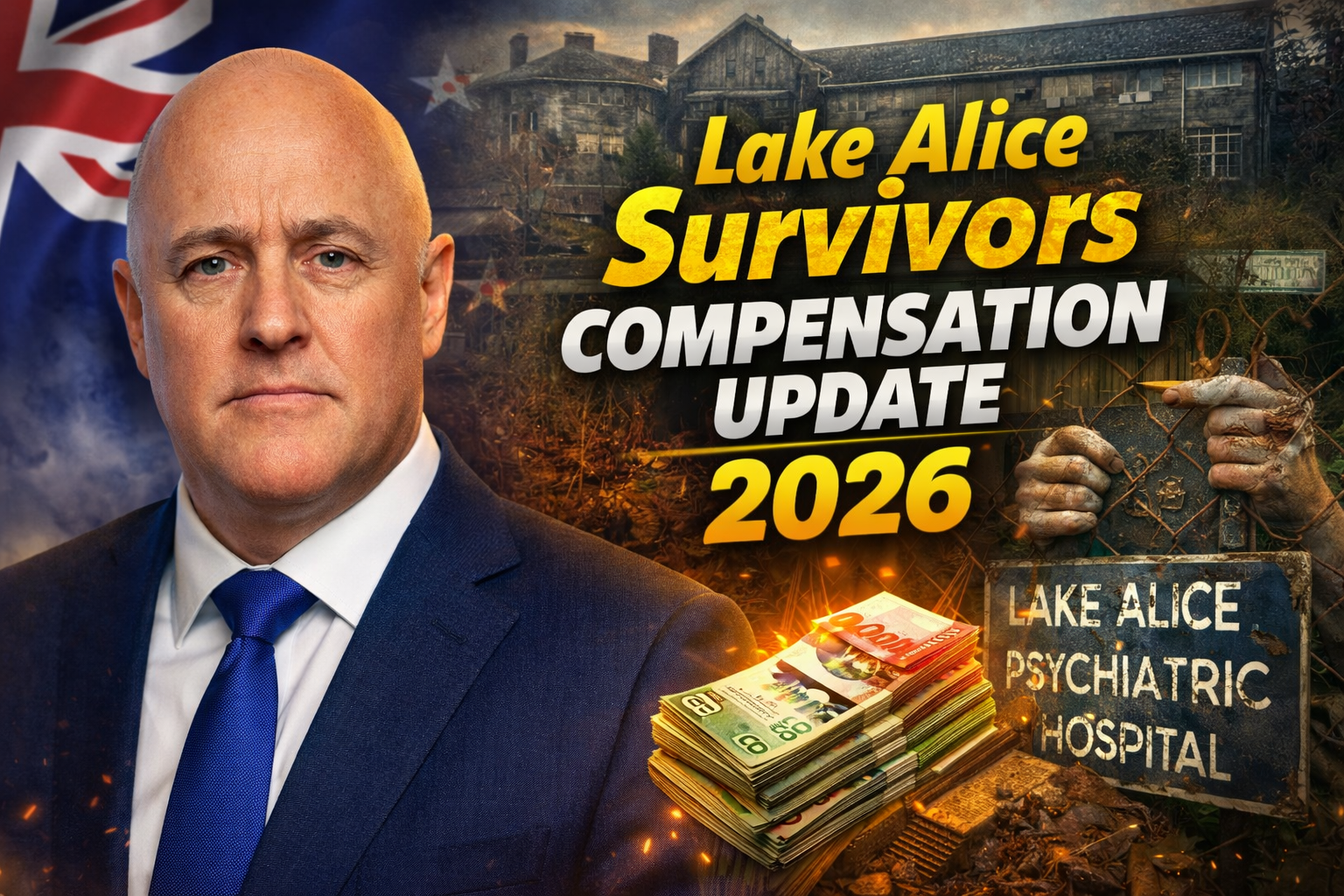
New Zealand’s government has made significant strides in addressing historic injustices at Lake Alice Psychiatric Hospital’s Child and Adolescent Unit, where vulnerable children endured systematic torture during the 1970s. Following the Abuse in Care Royal Commission’s damning findings, compensation schemes have disbursed millions to survivors, though many continue advocating for fuller accountability and higher redress amounts as the redress unit processes final claims into 2026.
Origins of the Lake Alice Scandal
Lake Alice operated from 1972 to 1978 under psychiatrist Dr. Selwyn Leeks, who subjected over 300 children—mostly aged eight to 16—to paraldehyde injections and electric shocks as supposed behavior modification. Admitted for minor issues like bedwetting or family strife, many were Māori or from troubled homes, making them easy targets in an era of unchecked institutional power.
Survivors described screams echoing through locked wards, burns from unmodified ECT without anesthesia, and injections causing violent convulsions. The Royal Commission labeled these acts torture, confirming Leeks falsified records and lacked ethical oversight. Despite early complaints in 1975, investigations stalled until a 2001 group settlement exposed the scale, averaging just 41,000 dollars per survivor after legal fees.
The unit closed amid scandal, but Leeks practiced until 2002, shielded by colleagues. Decades of silence shattered with the 2024 Royal Commission report, branding the abuses a national shame alongside broader care system failures affecting 200,000 people from 1950 to 2019.
Royal Commission Findings and Recommendations
The Abuse in Care inquiry, spanning six years, pinpointed Lake Alice as torture’s epicenter. Children received up to 20 shocks weekly, often for “disciplinary” reasons unrelated to mental health. Paraldehyde, an obsolete sedative, induced terror; 85 percent of survivors reported lifelong trauma including PTSD, addiction, and suicide attempts.
Key recommendations demanded explicit torture acknowledgment, dedicated redress beyond prior settlements, and support services. The commission criticized early payouts as inequitable—first-round 2001 claimants received far less after 40 percent legal deductions, versus 70,000 dollars average later. It urged reimbursements, apologies, and prevention reforms like mandatory reporting.
Māori overrepresentation highlighted systemic racism, with many kids removed via welfare policies. The final report, released mid-2024, galvanized public outrage, prompting swift government action amid election pressures.
Government Compensation Schemes Launched
In December 2024, Minister Erica Stanford unveiled the Lake Alice Torture Redress Scheme, allocating 22.68 million dollars. Survivors choose between expedited 150,000-dollar payments or individualized assessments by an independent arbiter. As of early 2026, 96 opted for fast-track, with 84 receiving funds totaling over 12.6 million dollars; 12 more process by September deadlines.
Individual pathway saw 39 registrations by April 2025 close, with arbitrations wrapping by late 2025. Average awards exceed 200,000 dollars, factoring severity. Additional 2.67 million reimburses 2001 first-round legal fees—15,000 to 55,000 dollars each for up to 70 eligible survivors, tax- and benefit-exempt.
Crown Response Office oversees, partnering Ministry of Health for historic claims. By March 2026, 120 total deemed eligible, payouts surpassing 20 million dollars. Wellbeing grants cover counseling, with 26 accessing services already.
| Redress Pathway | Registrations | Payments Made | Total Disbursed | Status Update 2026 |
|---|---|---|---|---|
| Expedited (150k) | 96 | 84 | 12.6m+ | 12 pending |
| Individualized | 39 | Ongoing | Est. 8m+ | Arbitrations complete |
| Legal Fee Reimbursements | 70 eligible | Processing | 2.67m budgeted | Rolling out |
| Total Eligible | 120+ | Majority | 20m+ | Final claims Q2 |
This table reflects progress, though unclaimed survivors risk missing deadlines.
Ongoing Challenges and Survivor Advocacy
Not all accept terms. Some decry 150,000 dollars as insulting against lifelong scars, demanding 500,000 minimum. Groups like Forgotten Lives argue schemes exclude non-unit Lake Alice patients or late diagnoses. Arbitration delays frustrate, with waits up to 12 months amid paperwork hurdles.
Māori survivors push cultural redress—hīkoi to Parliament demand land returns or iwi trusts. Legal aid gaps persist; GCA Lawyers, handling early claims, faces scrutiny over fees. Suicide rates among survivors remain elevated, underscoring mental health crises.
2026 sees class actions brewing for secondary victims like siblings witnessing abuses. Public apologies, while heartfelt, ring hollow without prosecutions—Leeks died uncharged, colleagues escaped scrutiny.
Government Apologies and Reforms
Prime Minister Christopher Luxon delivered a formal 2024 parliamentary apology, acknowledging torture explicitly: “The state failed these children catastrophically.” Stanford’s letter accompanies each payment, validating experiences. 2025 saw 700,000 dollars extra for Health Ministry claims.
Broader reforms accelerate: Oranga Tamariki bans unmodified ECT for under-16s, mandatory abuse reporting laws pass, and independent monitors embed in facilities. A 1.4 billion-dollar care redress fund opens 2027, prioritizing Lake Alice as test case.
Cabinet contingencies cover overruns, with 2.67 million tagged for fees. Māori focus sharpens via Whānau Ora integrations.
Survivor Stories and Impacts
Kenny Te Whiu, injected weekly at age 11, received 150,000 dollars but channels it to therapy: “Money can’t erase nightmares, but it’s justice delayed.” Beth Collins, shocked 200 times, arbitrates for more, citing lost careers and family breakdowns.
Payouts transform lives—homes bought, addictions beaten—but trauma lingers. One survivor suicided post-redress, highlighting support shortfalls. Community hui foster healing, with art exhibitions and memoirs amplifying voices.
Economic ripple: funds boost regional economies, though inflation erodes value. Tax exemptions aid pensions.
Historical Settlements Revisited
Pre-redress payouts spanned 2001-2021: 6.5 million group deal for 95, averaging 41,000 post-fees; later individuals averaged 70,000 with Crown-covered costs. Inequity fueled 2024 reimbursements, righting lawyer deductions.
Court victories vindicated few—most settled out-of-court amid state denials. Royal Commission unearthed suppressed files, proving cover-ups.
International Comparisons
New Zealand leads globally: Canada’s Indigenous residential schools paid billions but slower; Australia’s Forgotten Australians scheme lagged at 33,000 dollars average. UK’s Post Office scandal offers redress models, but Lake Alice’s torture specificity sets precedent.
UN praised 2025 efforts, commending Māori focus amid racial discrimination reviews.
Political and Public Response
Luxon government earns bipartisan praise, though Greens demand universal care redress sooner. National’s 2026 budget allocates 500 million more, tying to election pledges. Survivor lobbies like Network for Survivors testify quarterly.
Media spotlights heal: documentaries air on TVNZ, podcasts humanize stats. Polls show 80 percent public support, pressuring full implementation.
Support Services and Wellbeing
Every recipient accesses counseling via 24/7 helplines, addiction programs, and peer groups. Financial mentoring prevents mismanagement—10 percent opt in. Cultural supports for Māori include rongoā practitioners.
2026 expansions fund whānau counseling, recognizing intergenerational trauma.
Future Outlook and Remaining Gaps
By mid-2026, schemes near closure, with final arbitrations concluding. Unregistered survivors lobby extensions; government signals flexibility for verified cases. Broader Abuse in Care redress launches July 2027, potentially back-paying Lake Alice exclusions.
Calls persist for Leeks’ knighthood revocation (posthumous) and institutional namesakes erased. Prevention metrics track: abuse reports up 20 percent post-mandates, signaling cultural shifts.
Survivors envision memorials—plaques at Lake Alice site, annual commemorations. Luxon’s commitment: “No more darkness.”
| Gap Area | Current Status | Proposed Fixes |
|---|---|---|
| Excluded Patients | Non-unit cases ineligible | 2027 redress inclusion |
| Payment Adequacy | 150k seen low by some | Arbitration appeals |
| Family Impacts | Limited whānau support | Intergenerational funding |
| Prosecutions | None | Historical review board |
Broader Legacy of the Royal Commission
Lake Alice catalyzes systemic overhaul: 641 recommendations spur 84 laws by 2026. Vulnerable kids now screened for prior abuse, facilities audited yearly. Māori wards in psych units rise 30 percent.
Survivors transition from victims to advocates, lecturing med schools on ethics. Global inquiries cite New Zealand as model.
Path to Full Justice
2026 marks healing acceleration—funds flow, apologies land, reforms embed. Yet true redress demands cultural reckoning: schools teach Lake Alice, archives open fully. Survivors like Te Whiu declare: “We’ve won the war, now build the peace.”
Government momentum sustains, budgets grow, voices amplify. Lake Alice fades from shame to symbol—torture remembered, never repeated. New Zealand confronts past, fortifying future for care’s most vulnerable.

Emma Brooks is a contributing writer at richlittleragdolls.co.nz, covering news, community updates, and trending stories across New Zealand and Australia. Her work focuses on delivering clear, accurate, and reader-friendly reporting that helps audiences stay informed about regional and national developments.









Leave a comment