
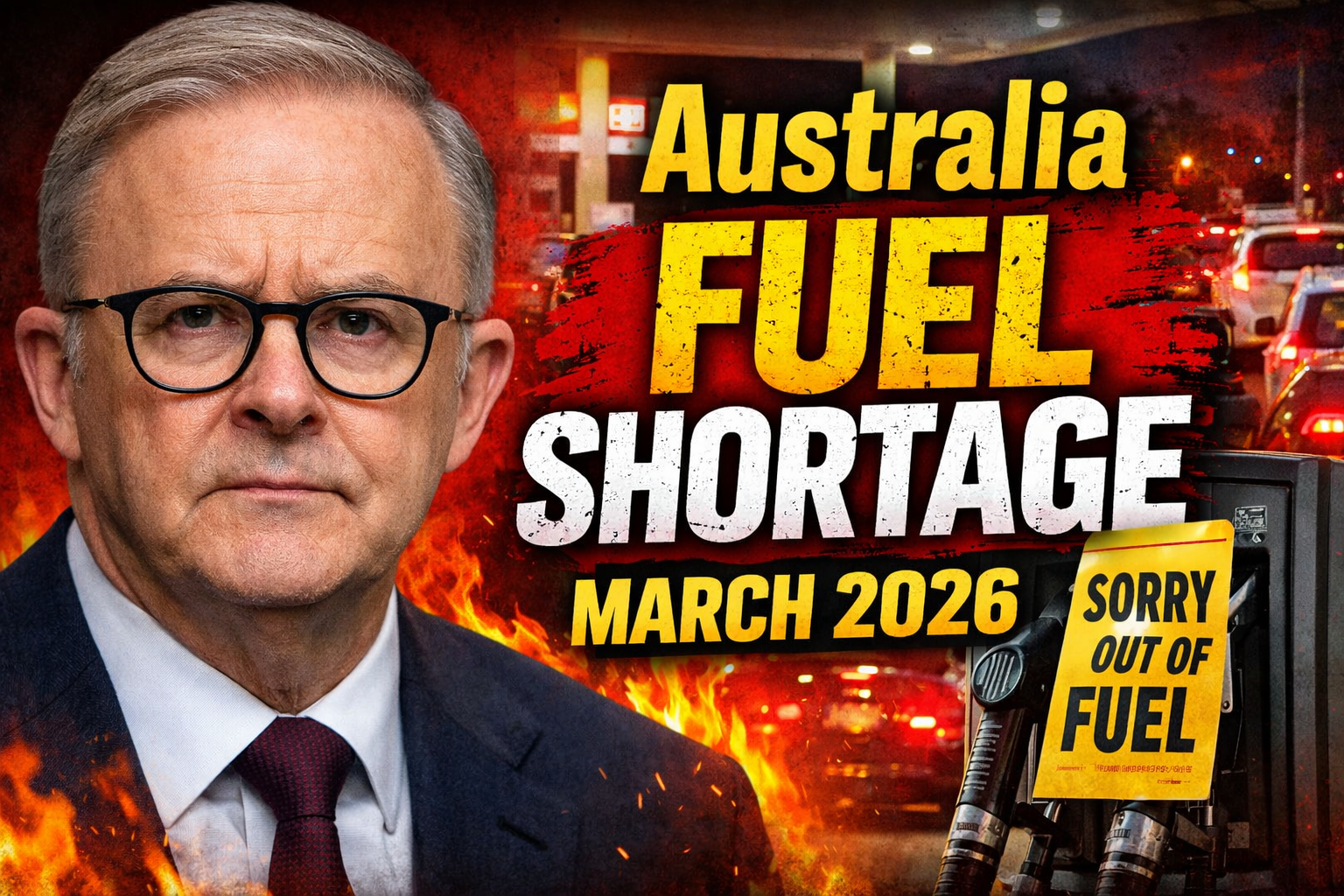
Australia is grappling with a severe fuel shortage in March 2026, particularly in New South Wales where diesel supplies have evaporated at over 100 stations. Triggered by global disruptions from the Iran conflict, this crisis threatens daily life, farming, and transport across the state.
Introduction
The fuel pumps have gone dry in New South Wales, marking one of the most acute shortages in recent Australian history. Diesel, the lifeblood of trucks, tractors, and emergency services, has become scarce as over 100 stations report zero availability, with dozens entirely out of all fuels. This crisis unfolded rapidly in mid-March 2026, catching motorists, farmers, and businesses off guard amid skyrocketing prices and empty tanks.
What began as distant geopolitical tensions has snowballed into local chaos. Regional towns feel the pinch hardest, where resupply lags behind panic-driven demand. Premier Chris Minns and Energy Minister Chris Bowen scramble with emergency measures, but whispers of rationing loom as supplies dwindle.
Root Causes of the Crisis
Global Trigger: Strait of Hormuz Blockade
The spark ignited far from Australian shores with the escalation of conflict involving Iran. Since late February 2026, Iran’s forces have effectively choked the Strait of Hormuz, a vital artery carrying a fifth of global oil. Retaliatory strikes and naval threats halted shipping, slashing oil flows and sending wholesale prices soaring.
Diesel prices jumped over 20 percent internationally in days, rippling to Australia despite no domestic refineries running dry. The blockade persists into March, with no resolution, forcing importers to reroute cargoes at higher costs and delays.
Local Amplifier: Panic Buying Surge
Australians’ rush to hoard fuel turned potential tightness into outright scarcity. Demand spiked 40 percent in regional areas, draining station tanks faster than trucks could refill them. In NSW, this frenzy emptied pumps in small communities, prioritizing personal tanks over shared needs.
Independent retailers suffered as major suppliers prioritized bulk buyers, exacerbating distribution bottlenecks. Highways clogged with anxious drivers, while empty jerry cans became a common sight.
Current Situation in NSW
New South Wales bears the brunt, with 107 stations lacking diesel and 42 completely fuel-free as of late March. Sydney sees unleaded petrol at 2.47 Australian dollars per liter and diesel nearing 3 dollars, up sharply from pre-crisis levels.
Regional hotspots like the Granite Belt and rural outposts report total blackouts, stranding commuters and halting deliveries. Hospitals prepare contingency plans, fearing ambulance disruptions, while the NRMA warns of sustained high prices in major cities.
Government dashboards track the chaos daily, revealing a patchwork of dry pumps amid urban plenty. Small businesses absorb costs, passing hikes to consumers in a vicious cycle.
Impacts Across Sectors
Agriculture Under Siege
Farmers face catastrophe as diesel powers their world. Tractors idle without fuel for harvesting and sowing, threatening winter crops. Vineyard owners scour countryside for barrels, rationing every drop for mowers and sprayers.
Food production risks nationwide shortfalls if sowing stalls. Livestock haulers delay shipments, inflating grocery costs. NSW Farmers warn of “serious dysfunction,” with thousands of liters needed daily vanishing into thin air.
Transport and Logistics Breakdown
Trucks sit idle, snarling supply chains from ports to shelves. Barefoot charters and delivery firms hike fares to offset 50-cent-plus surges, squeezing margins. Public transport eyes cuts, while taxis limit runs.
Ambulances and fire trucks prioritize, but rural response times stretch. Aviation feels jet fuel pinches indirectly, grounding some regional flights.
Everyday Life and Economy
Households juggle budgets with petrol doubling in spots. Commutes shorten, remote work surges, but low-income families suffer most. Small towns without pumps become isolated, bartering fuel informally.
The economy loses billions in stalled productivity, with inflation fears mounting. Tourism dips as road trips cancel.
| Sector | Key Impacts | Estimated Daily Loss |
|---|---|---|
| Agriculture | Idle tractors, delayed sowing | Millions in crop value |
| Transport | Stranded trucks, slower deliveries | Billions in logistics |
| Households | Higher commuting costs, rationing | Widespread belt-tightening |
| Healthcare | Potential ambulance delays | Critical service risks |
| Business | Price hikes, stock shortages | Profit squeezes across board |
Government Response and Measures
Federal and state leaders activate war rooms. Minister Bowen taps reserves, unleashing hundreds of millions of liters—equivalent to weeks of consumption—while slashing quality standards for 60 days to blend extra stock.
NSW convenes taskforces with suppliers, farmers, and unions, prioritizing rural diesel flows. The ACCC probes gouging, threatening fines. Premier Minns rules out immediate rationing but readies limits as backups.
Relaxed import rules add 100 million liters monthly, targeting regions. A national fuel watchdog monitors fairness to independents.
Fuel Reserve Levels and Projections
Australia’s stockpiles hover at 26 to 30 days for diesel and petrol, meeting international benchmarks but strained by demand. Releases cover six days’ needs, buying time until April.
Projections darken post-mid-April without Hormuz reopening. Experts urge refinery revival, criticizing past closures. Rationing odds rise if war drags.
| Fuel Type | Pre-Crisis Reserves (Days) | Current Reserves (Days) | Released Volume |
|---|---|---|---|
| Petrol | 36 | 29 | 700 million liters |
| Diesel | 32 | 26 | 500 million liters |
Voices from the Ground
Station owners ration to essentials, favoring ambulances over regulars. “We’ve never seen lines like this,” one Sydney proprietor laments, turning away families.
Farmers like Robert Fenwick lock gates on dwindling drums, hunting suppliers cross-state. “It’s survival mode,” he says, eyeing barren fields.
Motorists heed calls: fill half-tanks only, avoiding hoards. Social media buzzes with tips, from carpool apps to bike shares.
Looking Ahead: Risks and Solutions
Short-term, distribution tweaks and reserve drains ease pain, but April looms ominous. Prolonged blockade means ration cards, price caps, or military escorts for tankers.
Long-term fixes demand refinery restarts, diversified imports, and electric fleet pushes. Public campaigns hammer “buy smart,” curbing panic.
Communities adapt: neighborhood fuel shares, hybrid shifts. Yet resilience tests limits as global fires burn.
Conclusion
Australia’s March 2026 fuel crunch exposes supply chain frailties, from Hormuz chokepoints to pump-line panics. NSW’s diesel drought disrupts farms to freeways, demanding swift unity. With reserves tapped and watches vigilant, hope flickers—but only if cooler heads prevail abroad and calm reigns at home. Citizens’ restraint now charts the path from crisis to stability.

Emma Brooks is a contributing writer at richlittleragdolls.co.nz, covering news, community updates, and trending stories across New Zealand and Australia. Her work focuses on delivering clear, accurate, and reader-friendly reporting that helps audiences stay informed about regional and national developments.








Leave a comment