
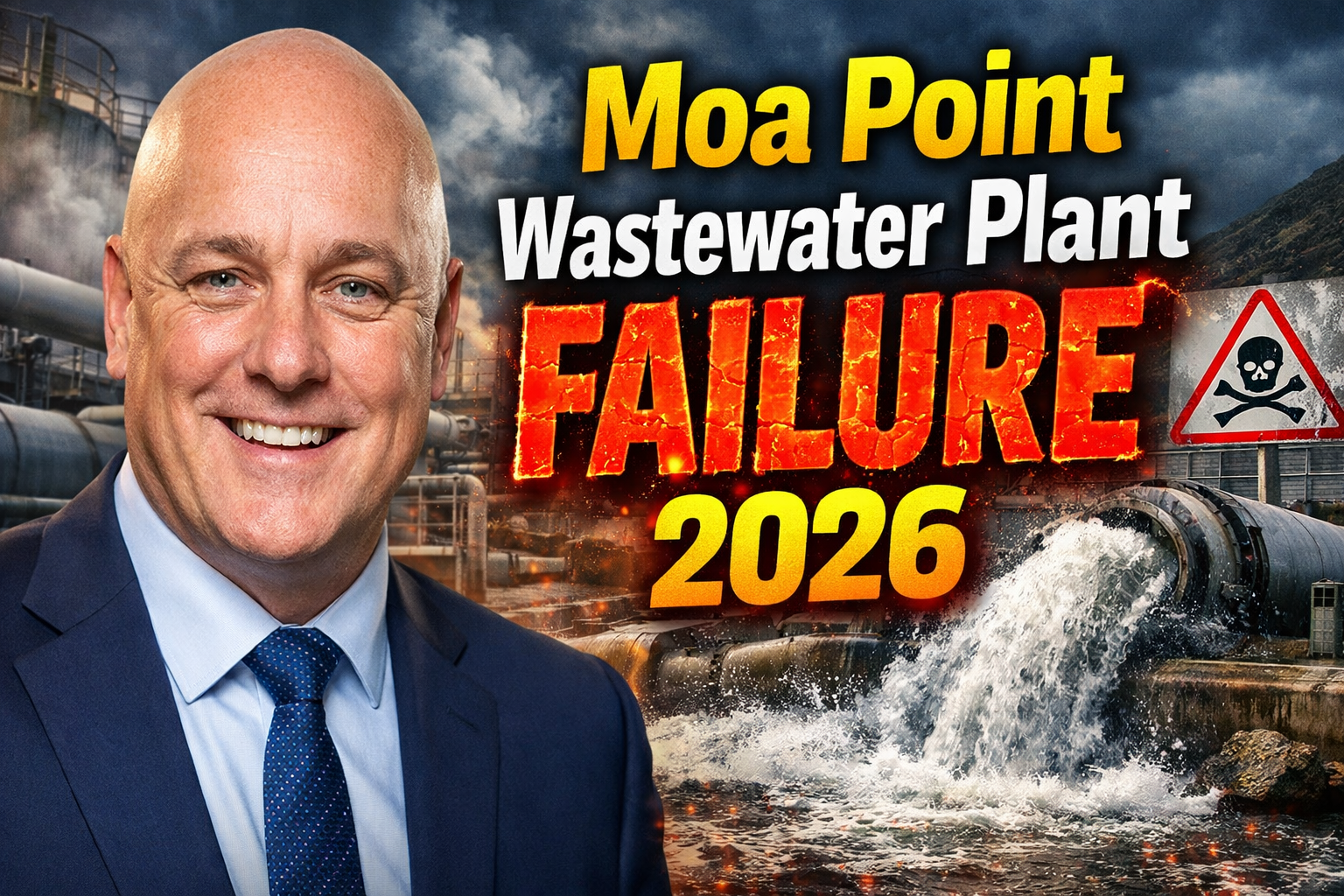
Wellington’s Moa Point Wastewater Treatment Plant suffered a catastrophic breakdown in early February 2026, unleashing millions of litres of raw sewage into the South Coast waters and beaches. The incident has sparked public outrage, environmental alarms, and a scramble for answers as the capital grapples with ongoing discharges and cleanup efforts.
Introduction
On a stormy night in February, high flows overwhelmed the plant’s systems, flooding facilities with untreated waste and forcing emergency bypasses. Beaches from Lyall Bay to Tarakena closed indefinitely, swimmers warned away, and fishers grounded. Mayor Andrew Little called it unacceptable, demanding transparency from Wellington Water amid a government probe.
This failure exposes long-festering infrastructure woes in a city strained by population growth and aging pipes. Raw sewage continues pumping through emergency outfalls, testing resilience and resolve.
The Incident: What Went Wrong
Heavy rains on February 3 battered Wellington, surging wastewater volumes through Moa Point—the hub treating 90 percent of the city’s sewage. Around 1am on February 4, the long outfall pipe into Cook Strait clogged, triggering backflow. Pumps shifted to a short coastal pipe, spewing 60 to 70 percent untreated effluent directly offshore.
The plant shut down completely, inundating control rooms, electrical gear, and treatment tanks in a stinking tide. Up to 70 million litres discharged daily before screening kicked in via the long pipe. Operators battled blindly, air pockets complicating restarts.
Preliminary hydraulic models point to trapped air in bypass lines—design flaws amplifying pressure, reversing flows like a geyser. Crews noted “burping” air pockets during storms, a red flag ignored.
Immediate Impacts on Wellington’s South Coast
Beaches shuttered: Moa Point, Lyall Bay, and Tarakena Bay off-limits, lifeguards patrolling with closure signs. Surfers, families, and dog-walkers diverted, summer vibes soured. E-coli levels spiked, shellfish bans rippled eastward.
Odours wafted inland, residents choking on rotten-egg fumes. Local fisheries halted, paua divers idled. Wildlife toll mounts: seals, seabirds washing ashore sickly, tangata whenua voicing cultural distress over polluted moana.
Power outages compounded chaos, delaying repairs. Traffic snagged at beach accesses, tourism dipped.
Environmental and Health Fallout
Raw discharges dumped bacteria, nutrients, and solids into nearshore zones, fueling algal blooms and oxygen crashes. Marine life suffocates; snapper, kahawai populations face decimation. Scientists track plumes stretching kilometers, currents carrying filth toward South Island.
Public health alerts warn against contact: skin infections, gastrointestinal woes from tainted water. Children, elderly urged inland swims. Long-term, heavy metals from sewage sludge taint sediments, bioaccumulating up food chains.
Wellington’s ecosystems—already pressured by urban sprawl—teeter. Iwi lament tapu breaches, calling for restoration kaitiakitanga.
| Impact Area | Short-Term Effects | Long-Term Concerns |
|---|---|---|
| Beaches | Closures, high E-coli | Sediment contamination |
| Marine Life | Fish kills, strandings | Food chain toxicity |
| Public Health | Infection risks | Chronic exposure |
| Ecosystems | Algal blooms | Biodiversity loss |
| Economy | Tourism drop | Fishery restrictions |
Wellington Water’s Response and Challenges
Wellington Water activated emergency protocols, rigging screens to filter solids before long outfall release—1.8 kilometers offshore. Crews pumped 24/7, decontaminating gear amid hazards. Temporary generators powered ops, but full restart lags weeks.
Pat Dougherty, CEO, pegged inundation at 60-70 percent, vowing no repeat. Yet critics slam delayed alerts, opaque communication. Plants runs on Veolia contract; operators flagged air burps pre-failure.
Repair costs soar into tens of millions, insurance tangled in probes. Backup plants like Brooklyn overload, straining networks.
Government and Council Actions
Mayor Little released initial Stantec report March 19, spotlighting air traps despite Crown review strictures. Taumata Arowai leads independent inquiry, final report August. Premier demands accountability, eyeing fines.
Wellington City Council convened public forums, ratepayer ire boiling. Emergency ordinances fund fixes; central grants eyed. Greater Wellington Regional Council monitors water quality daily, sampling bays.
Transparency pledges clash with legal holds—full disclosures pending insurance, liability settles.
Historical Context of Moa Point
Commissioned 1979, Moa Point handles 150 million litres daily, primary treatment only—no full nutrient stripping. Upgrades stalled: Three Waters reforms collapsed, funding fights bogged billions.
Past spills pepper history: 2018 storm overflows, 2022 pipe bursts. “Earthquake-prone” tags haunt; seismic retrofits lag. Population boom—Wellington Harbour densifies—pushes capacity.
Climate change amps risks: fiercer deluges, sea rise gnawing outfalls. Iwi partnerships promised holistic upgrades, but bureaucracy bogs.
Voices from the Community
Residents rage: “Stink wakes us, beaches stolen,” fumes Lyall Bay local. Surfers sue for negligence, crowdfunding tests. Iwi leaders invoke treaty breaches, demanding co-governance.
Fishers idle: “Pots empty, whanau hungry.” Businesses shutter kiosks, losses mount. Petitions surge for pipe cameras, real-time monitors.
Social media erupts: drone footage of brown plumes viral, #FixMoaPoint trends.
Ongoing Discharges and Recovery Timeline
Screened effluent flows via long pipe, but full treatment months off. Short outfall idles since March 11, averting repeats. Teams dissect pipes, model fixes—air valves, redesigns proposed.
Short-term: de-sludge tanks, test runs by April. Full ops May-June, pending probes. Contingencies: Brooklyn expansions, tanker waste south.
Monitoring stations beam data; beaches reopen when safe. Compensation talks brew for losses.
| Recovery Phase | Actions | Timeline |
|---|---|---|
| Immediate | Screening, pumping | Feb-Mar |
| Short-Term | Decontaminate, test | Mar-Apr |
| Medium-Term | Pipe redesigns | Apr-Jun |
| Long-Term | Full upgrades | 2027+ |
Broader Infrastructure Lessons
Moa Point mirrors national woes: aging utilities creak under climate stress, privatization perils. Three Waters’ death left gaps; councils scramble solo.
NZ’s wastewater lags OECD peers—no UV treatment standard. Ratepayer revolts cap spends; central bailouts politicized.
Experts urge: public-private hybrids, green bonds, mandatory resilience audits. Iwi co-design promises culturally safe futures.
Economic Repercussions
Tourism bleeds: airport proximity taints visitor firsts. Cafes empty, rentals slump. Fisheries losses hit millions; paua quotas slashed.
Cleanup tabs: dredging, bioremediation pricey. Insurance premiums spike citywide. Property values dip near beaches, developers pause.
Yet green recovery beckons: jobs in retrofits, eco-tourism pivots.
Future Safeguards and Reforms
Post-failure blueprint emerges: real-time sensors, AI flow predicts, redundant outfalls. Legislation eyes national standards, funding pools.
Community watchdogs demand seats at tables. Climate-adaptive designs—raised plants, modular tanks—gain traction.
Wellington eyes wastewater-to-energy, closing loops sustainably.
Looking Ahead
Moa Point’s meltdown catalyzes urgency, from pipe traps to policy traps. As probes peel layers, Wellington rebuilds tougher—beaches beckon cleaner, moana heals slowly. Accountability anchors progress; neglect risks repeats in rains ahead.
Conclusion
The Moa Point crisis floods Wellington with sewage and scrutiny, unmasking fragile lifelines beneath scenic shores. Swift responses blunt worst harms, but root fixes demand vision beyond valves. United, council, iwi, and citizens can forge resilient flows, turning tragedy to tidal strength.

Emma Brooks is a contributing writer at richlittleragdolls.co.nz, covering news, community updates, and trending stories across New Zealand and Australia. Her work focuses on delivering clear, accurate, and reader-friendly reporting that helps audiences stay informed about regional and national developments.









Leave a comment